Bathroom Remodeling in San Jacinto, CA
Bathroom Remodeling Across San Jacinto
San Jacinto shares the San Jacinto Valley floor with Hemet and borders it directly to the north, which makes it the closest of our five satellite cities and the one we work in most often outside Hemet itself. Unlike the unincorporated communities in this ring, San Jacinto runs its own permit process through San Jacinto Building & Safety rather than routing through the county, and its own Southern California Edison electric service and Eastern Municipal Water District water service, the same providers that serve Hemet. Downtown San Jacinto anchors the older core of the city, while Soboba Springs sits on the community's east side. We schedule an in-person walkthrough before quoting any San Jacinto project rather than pricing over the phone, since a phone quote cannot see what the existing plumbing rough-in and wall condition actually allow.
Small Bathroom Remodels in Downtown San Jacinto
San Jacinto's older homes, particularly around Downtown San Jacinto and toward Soboba Springs, share the same era of original plumbing and undersized ventilation we see in comparable parts of Hemet across the shared San Jacinto Valley floor. We treat a San Jacinto walkthrough the same way we treat one in Hemet itself: measure first, disclose what the walls and plumbing reveal, confirm the Southern California Edison and Eastern Municipal Water District details relevant to the project, then price the actual scope rather than a phone estimate filed through San Jacinto Building & Safety once work begins. That in-person step matters more here than the short drive from Hemet might suggest, because San Jacinto's own permit desk and inspection schedule run separately from Hemet's even though the two cities share utilities.
Permitting Through San Jacinto Building & Safety
A small bathroom remodel in Downtown San Jacinto's older housing usually starts the same way a comparable Hemet project does: measuring the existing rough-in before proposing any fixture change. We schedule an in-person walkthrough rather than quoting a small bathroom over the phone, since the layout constraints that actually determine what fits are not visible in a phone call. The same approach applies toward Soboba Springs on the city's east side, where lot sizes and home ages vary more than they do closer to downtown. Because San Jacinto files its own permits rather than routing through the county, we confirm what the city requires for the specific fixture change before scoping the work, which is a different path than the unincorporated communities elsewhere in this ring follow. That walkthrough also confirms which city inspections the specific scope will require.
Southern California Edison and Eastern Municipal Water District Service
Renovation projects near Soboba Springs and throughout Downtown San Jacinto often involve the same generation of original fixtures and undersized ventilation common in older Hemet Valley homes along the shared San Jacinto Valley floor. We file any required permit through San Jacinto Building & Safety directly and confirm Southern California Edison and Eastern Municipal Water District service details relevant to the project before work begins, the same utilities that serve Hemet itself just across the city line. Where a renovation turns up ventilation or plumbing that no longer meets current standards, we correct it as part of the project and carry it through the city's inspection sequence rather than closing the wall and leaving it for a future owner to discover. Carrying that correction through the city's own inspection sequence is part of the project, not an extra.

A Direct Walkthrough Instead of a Phone-Only Quote
Tile installation in San Jacinto, whether in Downtown San Jacinto or toward Soboba Springs, follows the same substrate and waterproofing standard we apply in Hemet, since the two cities share the same housing eras and construction methods along the San Jacinto Valley floor. We measure the space and confirm the permit path through San Jacinto Building & Safety before ordering material, coordinating around Southern California Edison and Eastern Municipal Water District service points where relevant to the scope. Older housing around the city core often hides tile set without any real membrane behind it, and we rebuild the substrate properly before retiling rather than covering the same problem a second time. We confirm substrate condition and the city permit path before ordering material, the same as we would on a Hemet job.
Bathroom-Only Remodeling for Hemet and the San Jacinto Valley
Comprehensive Bathroom Remodeling Services in Hemet
Tailored to Your Needs
Ten bathroom-specific services, from a single small-bathroom update to a full gut renovation, tile work, ADA conversion, and tub-to-shower replacement. Each one is scoped the same way, starting with what the existing plumbing and framing allow rather than a generic template applied regardless of the room in front of us.
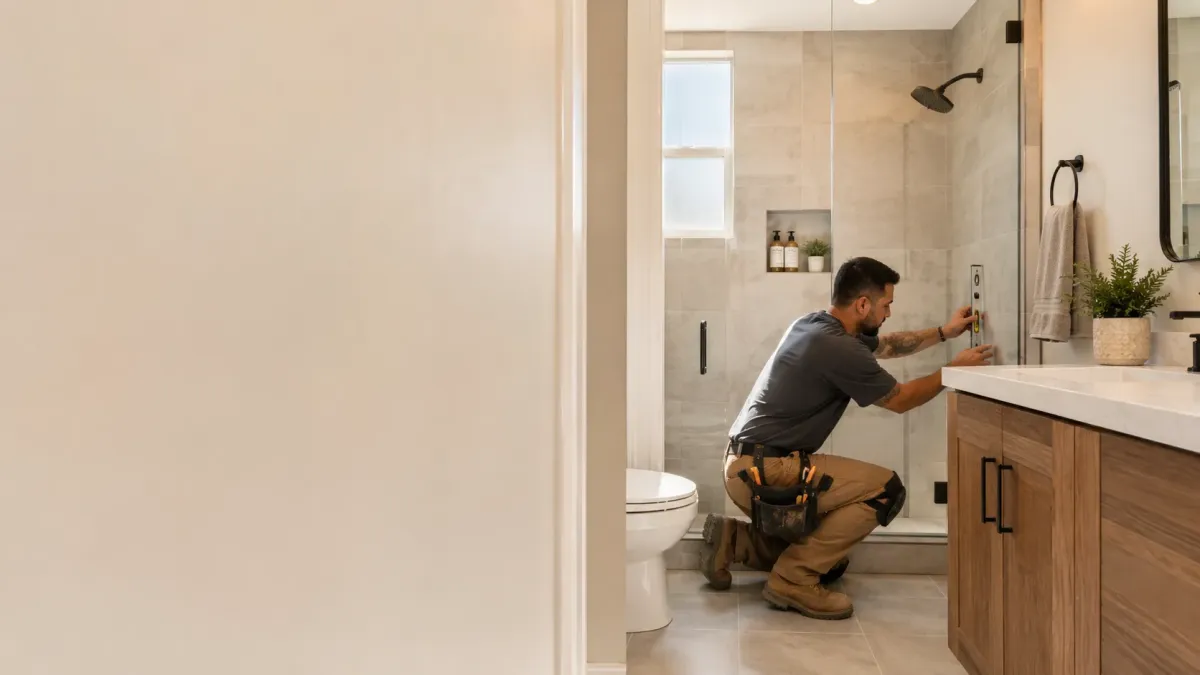
A small bathroom remodel determines what fits in a tight footprint before anything gets ordered.
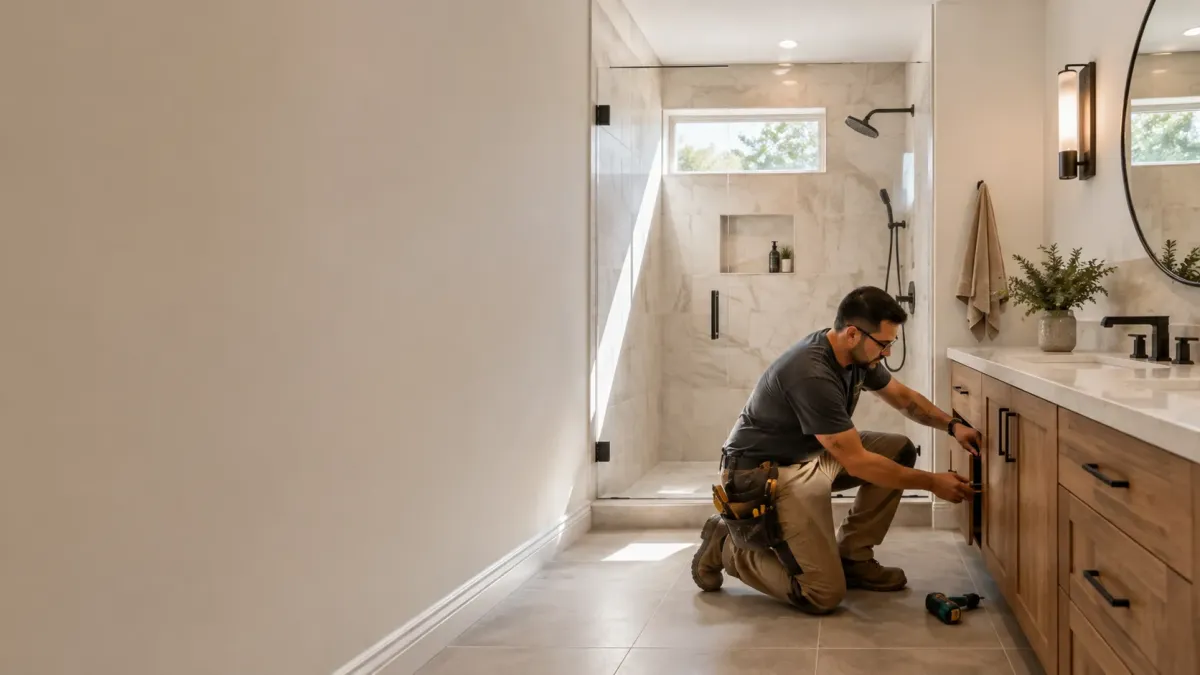
Bathroom renovation updates finishes and function without moving the room's core layout.
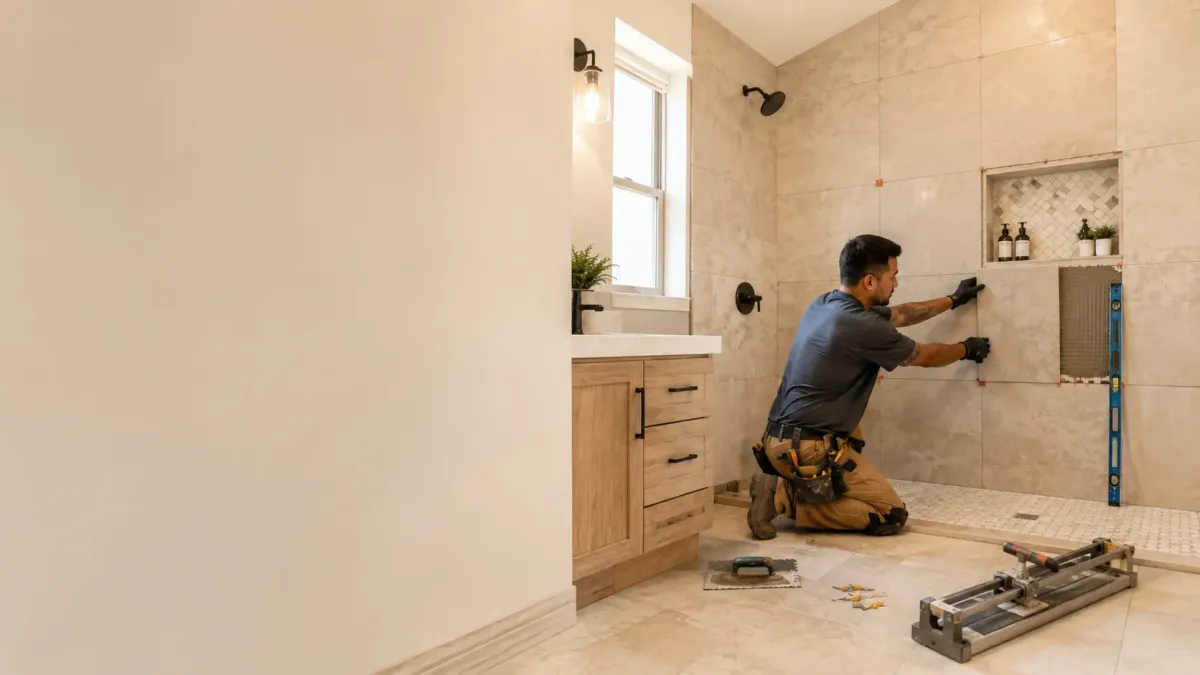
Tile installation depends on the waterproofing membrane underneath it more than the tile itself.
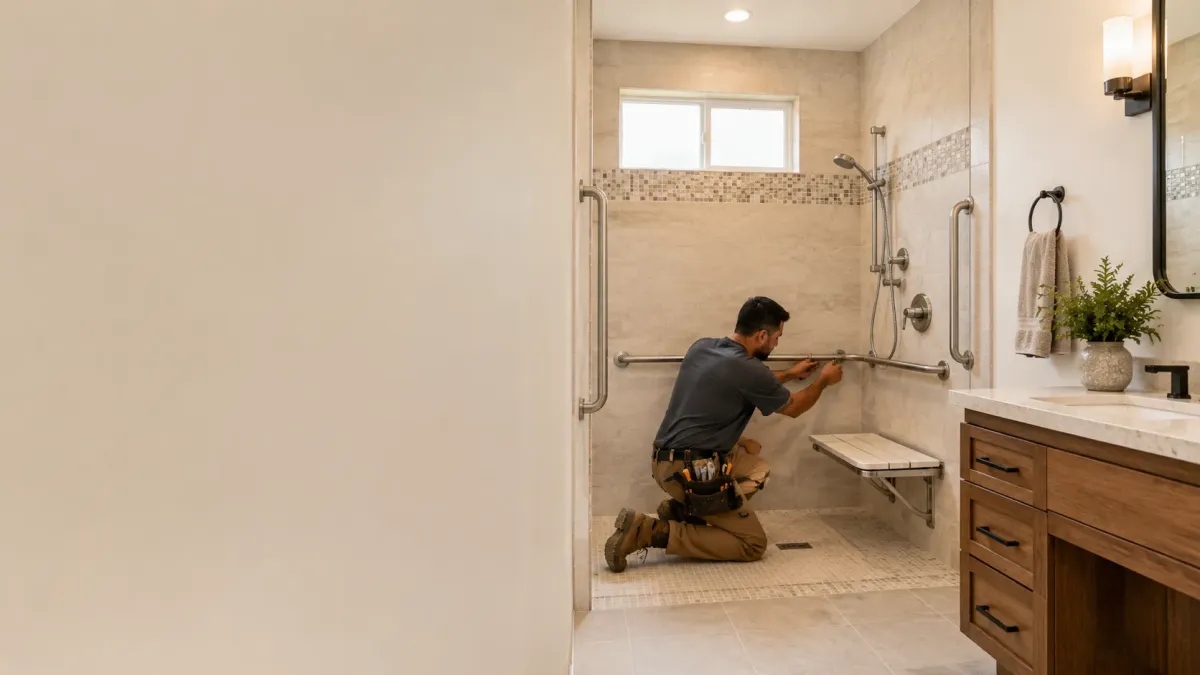
Accessible remodeling plans clearance and grab-bar placement before any fixture is chosen.
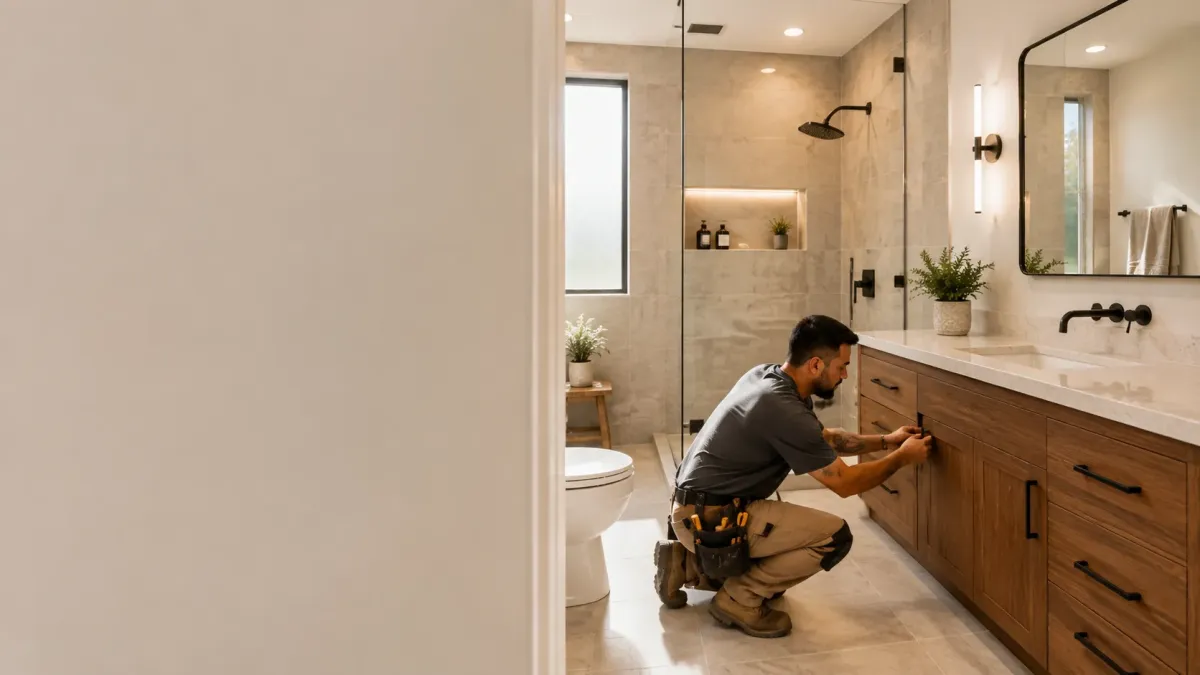
A full bathroom remodel resets layout, plumbing, and finishes in a single coordinated project.
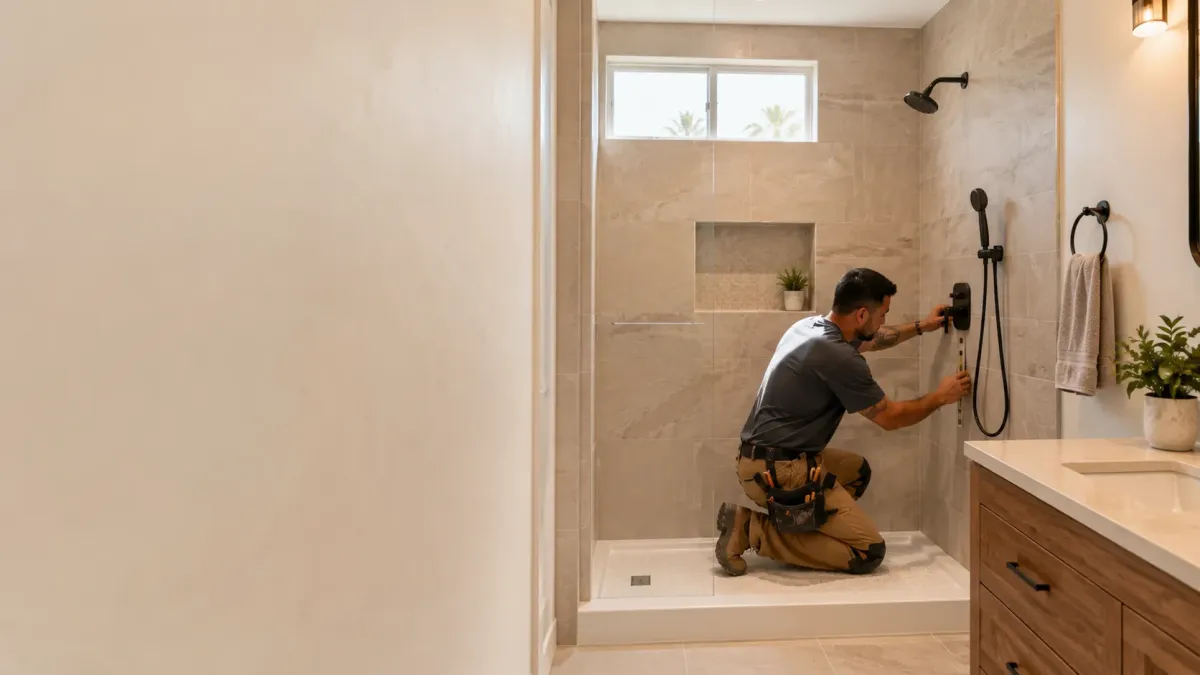
A tub-to-shower conversion usually changes the drain line, not just the fixture.
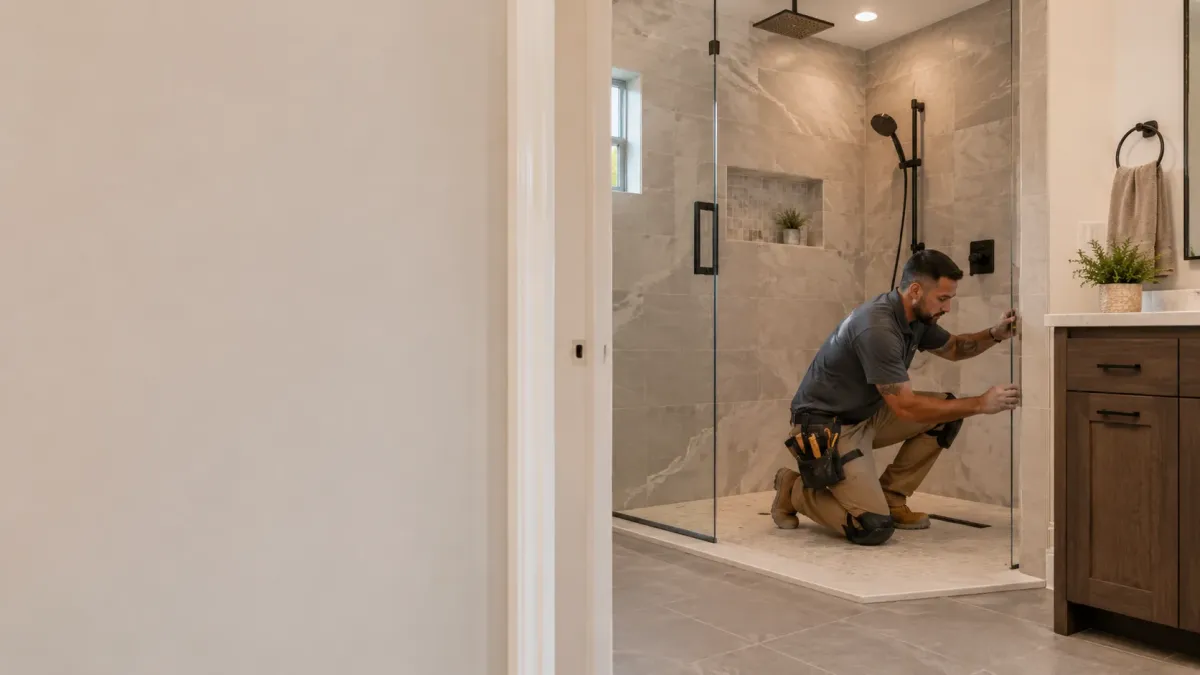
A walk-in shower's footprint is set by the pan or base, not the finish tile.
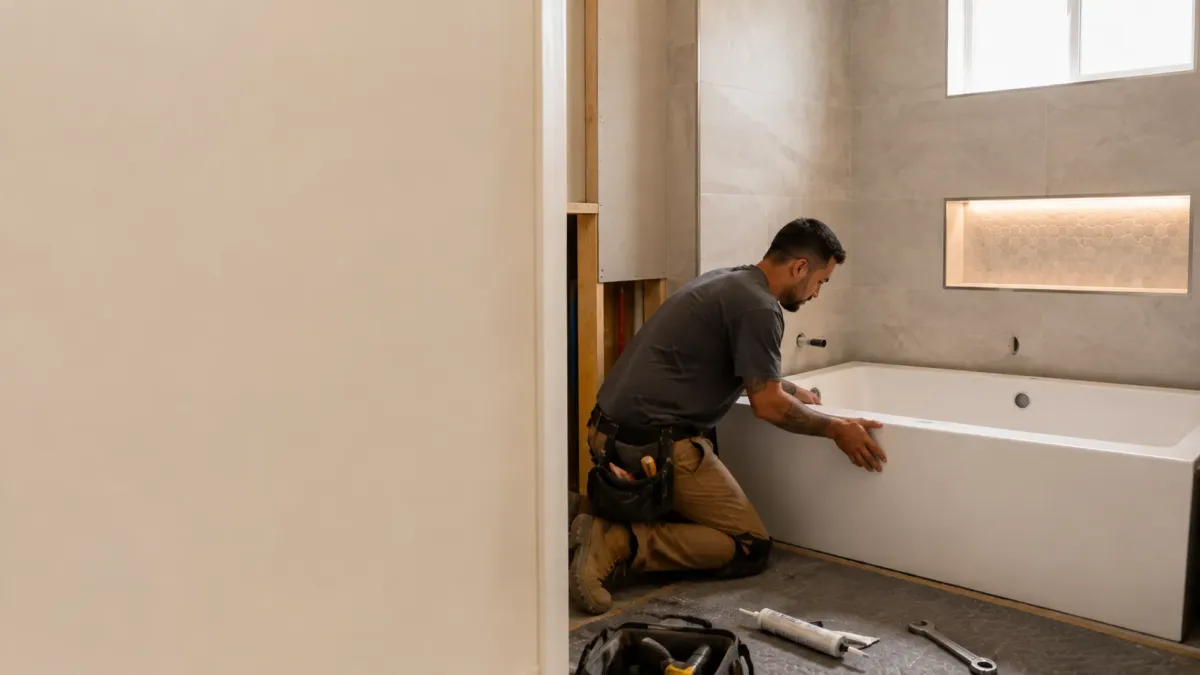
Bathtub replacement cost turns on whether the new tub matches the existing rough-in.
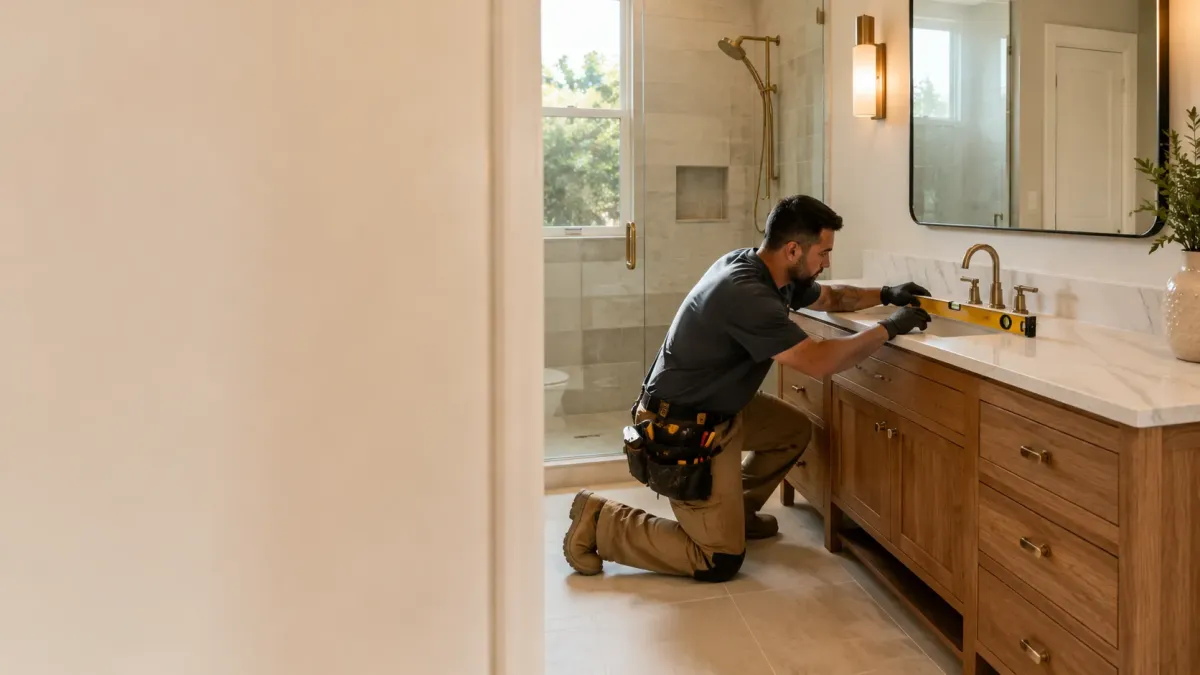
Vanity installation depends on matching the cabinet width to the existing supply and drain positions.
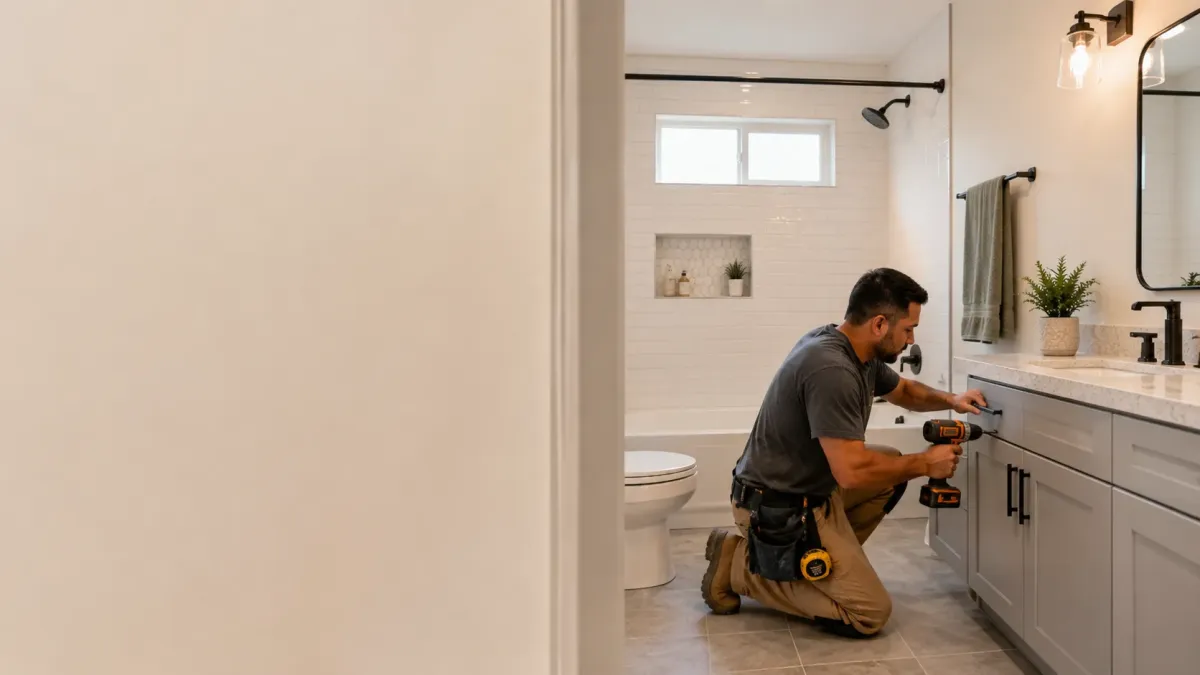
An affordable remodel keeps plumbing and waterproofing intact while trimming finish-level costs.
Frequently Asked Questions
Bathroom Remodeling can be complex, and we’re here to provide answers to common questions. Here are some frequently asked questions from our clients.
Frequently Asked Questions about bathroom remodeling company
How much does it cost to remodel a bathroom?
There is no single price for a Hemet bathroom remodel. Cost follows whether fixtures move, whether the supply and waste lines behind the wall get replaced, and what the permit scope turns out to be once we open the wall. We price after a walkthrough, not before, so the number reflects your actual bathroom rather than an average.
How much does it cost to replace a bathtub?
Bathtub replacement cost depends on whether the new tub matches the existing plumbing rough-in or requires it to move, and whether surrounding tile or wall material comes out with it. A straight swap is a different job from a tub-to-shower conversion, and we scope each one separately during the walkthrough.
How much does it cost to install a walk-in shower?
Walk-in shower cost tracks the pan and waterproofing work more than the fixtures themselves. A curbless entry, a linear drain, and ADA-height grab bars each add scope beyond a standard shower swap. We walk through which of those apply to your bathroom before quoting.
How much to remodel a small bathroom?
A small bathroom remodel can cost less than a full-size bathroom simply on materials, but layout constraints sometimes add labor that offsets that. Fixture placement in a tight footprint often takes more planning, not less. We measure the room first and price the layout that actually fits.
How much does a bathroom remodel cost per square foot?
Per-square-foot pricing works poorly for bathrooms because so much of the cost sits in plumbing and waterproofing rather than floor area. A small bathroom with fixtures relocated can cost more per square foot than a larger one left in place. We price the scope, not the footprint.
How much does it cost to replace a tub with a shower?
Converting a tub to a shower usually means new waterproofing, a pan or curbless base, and often a wider drain line than the original tub used. Whether the existing plumbing rough-in works as-is or needs to move is the main cost driver, and that only becomes clear once we open the wall.
Still Have Questions About bathroom remodeling company?
Speak With a Trusted Bathroom Remodeling Expert Today.
What Our Satisfied Clients Have to Say About
We pride ourselves on delivering great results and experiences for each client. Hear directly from home and business owners who’ve trusted us with their Bathroom Remodeling needs.

We had a small bathroom off the main hall in our East Hemet house and didn't think there was much that could be done with the layout. They fit a real shower in where the old tub-shower combo was without touching the plumbing behind the wall, and the whole job wrapped faster than we expected.
Marcus T.
My mother's place is in the Arroyo Fairways community in Valle Vista, and we needed the bathroom converted for a walk-in shower with grab bars before she moved in. They walked us through what ADA clearance actually requires before pulling the permit, which is more than the last contractor we called ever did.
Diane R.
Our Homeland house needed a full bathroom renovation, not just a refresh, and they were straightforward the whole way about what was worth doing now and what could wait. No pressure to upgrade things we didn't ask about.
Kevin H.
The Trusted Bathroom Remodeling Expert Near You
Ready to hear more about expert services at ?
Contact us today to receive a detailed, no-obligation quote.


